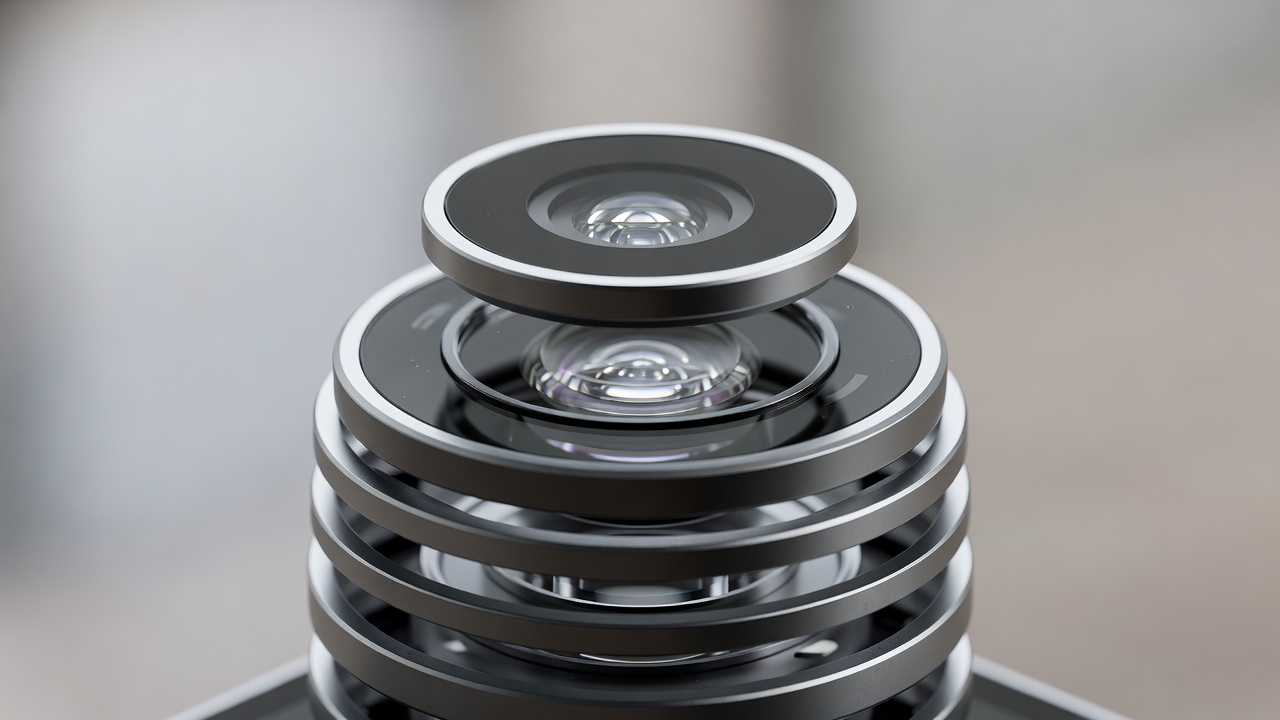
Sensor size comes first
A larger sensor gathers more light, which improves dynamic range, low-light noise and natural background blur. The Xiaomi 15 Ultra uses a one-inch-type 50 MP main sensor, the largest in this group, while the Vivo X200 Pro uses a smaller but still large 50 MP sensor. The Galaxy S25 Ultra's 200 MP main sensor bins pixels to produce standard 12 MP images by default, so its strength lies in cropping headroom rather than in raw light gathering. The Pixel 9 Pro and iPhone 16 Pro use 50 MP and 48 MP sensors with processing that is tuned for consistent, natural-looking results.
Telephoto: the real separator
Telephoto lenses divide the field more than any other component. The Xiaomi 15 Ultra pairs a 50 MP 3x lens with a 200 MP 4.3x periscope. The Vivo X200 Pro uses a 200 MP 3.7x periscope co-developed with Zeiss. The Galaxy S25 Ultra gives you both 3x and 5x lenses, and the Pixel 9 Pro and iPhone 16 Pro each offer a 5x. A true optical lens at your preferred focal length beats a digital crop of a larger sensor, particularly in dim conditions. Decide whether you shoot at 2x to 3x for portraits or 5x or more for distance, and choose accordingly.
Video and stabilisation
Apple remains the benchmark for video, with 4K recording at up to 120 frames per second in Dolby Vision and ProRes options on the iPhone 16 Pro. The Galaxy S25 Ultra records at up to 8K 30 fps and offers a log video mode for colour grading. Google's Pixel 9 Pro leans on cloud-assisted Video Boost to improve low-light clips after upload. For handheld footage, optical image stabilisation on the main and telephoto lenses is more important than the resolution you record in.
Processing: the look of the image
Every maker tunes colour differently. Google's HDR+ favours balanced shadows and a neutral palette. Apple's Photonic Engine keeps skin tones natural. Samsung leans toward vivid colour and punchy contrast, while Xiaomi and Vivo work with Leica and Zeiss to create distinct colour profiles. None of these is objectively right. Look at sample photographs of scenes you shoot most often, such as food, children, pets or landscapes, and pick the rendering you prefer.
Low light and everyday habits
Night performance depends on sensor size, aperture and how long the phone is willing to expose. Clean the lens with a soft cloth before every important shot, because fingerprints cause more softness than any hardware gap, and lock exposure on your subject when the scene has strong highlights.