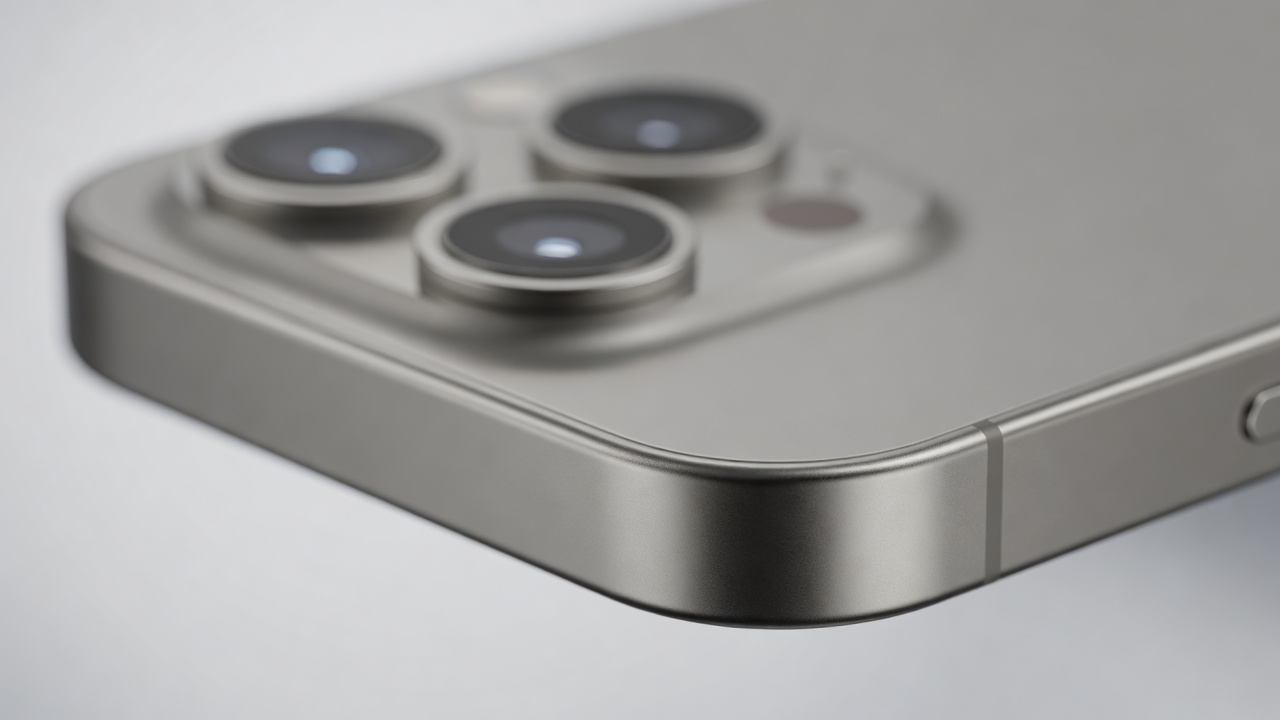
Cameras: range matters more than megapixels
The Galaxy S25 Ultra carries the widest lens set of the group: a 200 MP main sensor, a 50 MP ultra-wide, a 10 MP 3x telephoto and a 50 MP 5x periscope. The Pixel 9 Pro and iPhone 16 Pro each use a 5x telephoto, of 48 MP and 12 MP respectively, and both pair it with a 48 MP ultra-wide, which keeps colour and detail consistent when you switch lenses. The OnePlus 13 tops out at 3x optical, but its Hasselblad-tuned triple 50 MP system is the most even of the four. Compare the zoom ladder first: a phone that is sharp at 1x, 3x and 5x produces more keepers than one that leans on a single headline sensor.
Screens: brightness, refresh and flicker
All four use LTPO OLED panels that scale from a low refresh rate up to 120 Hz, which saves power on static content and keeps scrolling smooth. Peak brightness separates them outdoors: Google quotes up to 3,000 nits for the Pixel 9 Pro, Samsung 2,600 nits for the S25 Ultra and Apple 2,000 nits outdoors for the iPhone 16 Pro range. Those are peak figures, not what you see on a full-screen white page, so use them to rank phones rather than to predict a reading. If eyestrain is a concern, check the PWM dimming rate in independent reviews; higher is gentler at low brightness. Size is the other lever: 6.9 inches for the S25 Ultra and iPhone 16 Pro Max, 6.82 for the OnePlus 13 and 6.3 for the Pixel 9 Pro.
Performance that holds up
The Snapdragon 8 Elite in the OnePlus 13 and in Samsung's version for the S25 Ultra, along with Apple's A18 Pro, lead the synthetic benchmarks, and all three sustain gaming loads well when the chassis sheds heat. Google's Tensor G4 trails in raw speed but is tuned for on-device AI features and everyday smoothness, so the gap rarely shows outside long 3D sessions. For a buyer who keeps a phone five years or more, the practical question is headroom: 12 GB of RAM in the S25 Ultra, 12 GB or more in the OnePlus 13, 16 GB in the Pixel 9 Pro and 8 GB in the iPhone 16 Pro, where iOS manages memory differently.
Support, build and ports
Samsung and Google both promise seven years of OS and security updates on these models, the longest written commitment among major brands. Apple publishes no fixed figure, though iPhones have historically received around six to seven years of iOS releases. OnePlus promises four Android versions and six years of security patches. On build, the S25 Ultra and iPhone 16 Pro use titanium frames, while the Pixel 9 Pro and OnePlus 13 use aluminium. All four are rated IP68 or better and all use USB-C; the iPhone 16 Pro supports USB 3 speeds up to 10 Gbps, useful for offloading ProRes video.